Seven ways to turn website visits into new customers
Your website should be one of your hardest-working sales tools. It shouldn’t simply look good or explain what your organisation does. It should help the right people find you, understand what you offer, trust your expertise and take the next step.
If your website is attracting visitors but not producing enough enquiries or sales, the problem might not be the number of people arriving. It could be what happens once they get there.
Here are seven practical ways to turn more website visits into new customers.
1. Improve your visibility in search
Before your website can generate business, potential customers need to be able to find it.
An SEO audit will help you understand how your website performs in traditional search engines such as Google and Bing. This should examine your content, page structure, technical performance, page speed, mobile experience and the words people use when searching for your services.
It is now equally important to consider AEO, or answer engine optimisation. Increasingly, people are asking questions through AI platforms and search features that generate answers directly. Your website content should make it easy for these tools to understand who you are, what you offer and why your organisation is a credible source.
That means creating clear, well-structured content that answers real customer questions rather than simply filling pages with keywords.
2. Let potential customers book a meeting
Every unnecessary step gives a potential customer another opportunity to lose interest.
If speaking to someone is an important part of your sales process, consider integrating Microsoft Bookings, Calendly or another scheduling tool into your website. Visitors can choose a convenient time for an online or in-person meeting without waiting for someone to respond or exchanging several emails.
Make the booking option easy to find and include it at the points where someone is most likely to be ready for a conversation. This could be after reading about a service, reviewing a case study or completing an initial assessment.
You should still offer other ways to get in touch, but online booking can significantly shorten the journey between initial interest and a meaningful sales conversation.
3. Show evidence that you deliver
Potential customers will naturally want reassurance before contacting or buying from you.
Case studies, testimonials, reviews, client logos and measurable results can all help establish credibility. Instead of simply telling visitors that your business provides an excellent service, show them what you have achieved for others.
Strong case studies should explain:
The challenge your customer faced
What you recommended
What you delivered
The difference your work made
The most relevant evidence should appear throughout the website, rather than being hidden away on a single case studies page. If someone is reading about a particular service, show them a related example of that service in action.
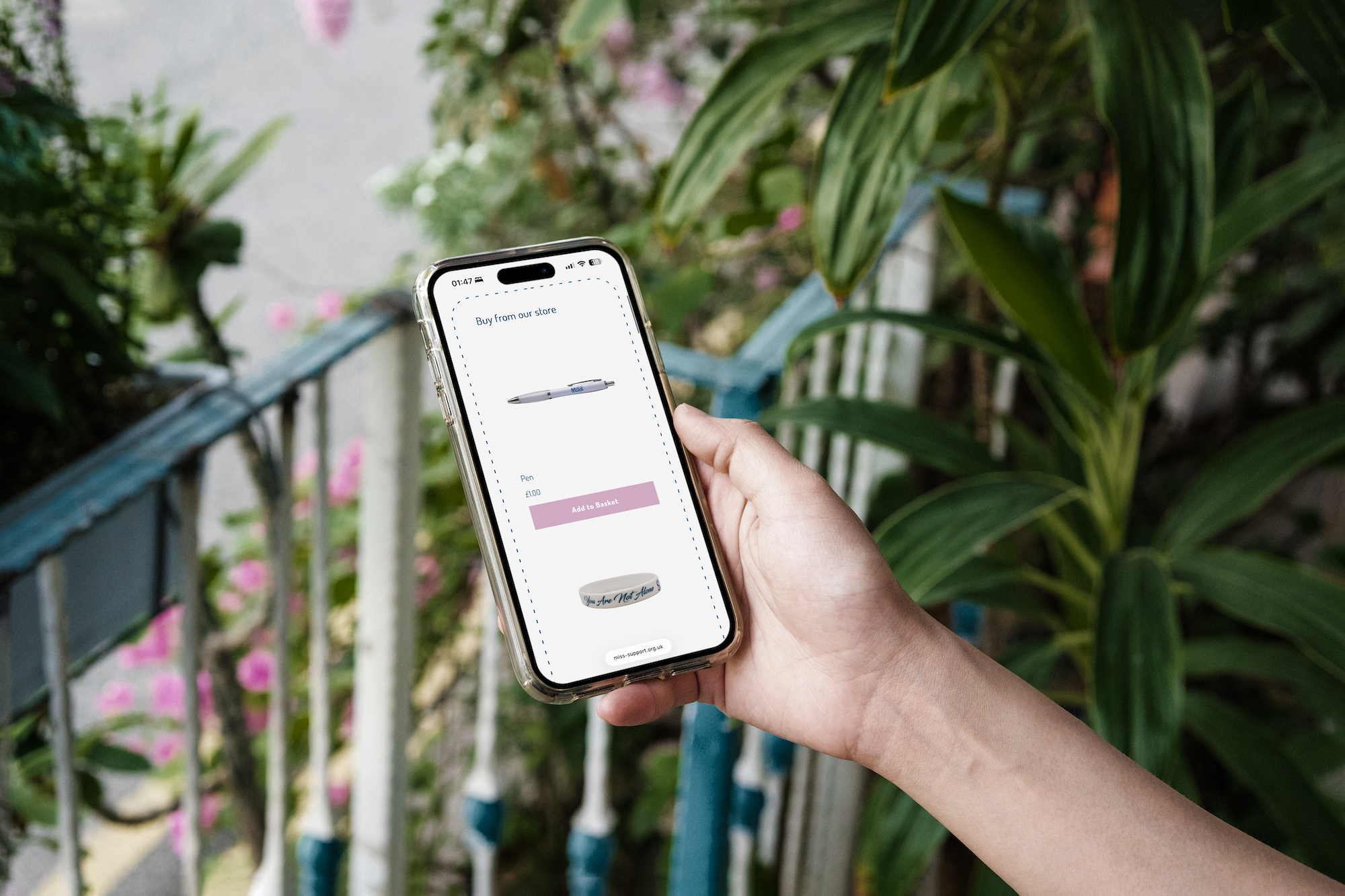
4. Sell products or services directly online
Could customers buy something from you without having to call or email first?
E-commerce is not limited to businesses selling physical products. Depending on what you offer, your website could allow people to purchase:
Consultations or appointments
Course or event places
Subscriptions and memberships
Digital products and resources
Service packages
Deposits
Gift vouchers
Even if your full service cannot be purchased online, you may be able to introduce an accessible first step. A paid consultation, deposit or entry-level product can turn someone from an interested visitor into a customer.
The easier you make it to buy, the shorter the journey from interest to income.
5. Build an effective follow-up process
Generating an enquiry is only part of the job. What happens next can determine whether it becomes a sale.
Connect your website forms to your CRM or email platform so every enquiry is recorded, assigned to the right person and followed up promptly. This reduces the risk of messages being missed, sitting in a shared inbox or depending on someone remembering to respond.
Automation can also help you stay in touch with people who are interested but not yet ready to buy. Depending on the enquiry, this could include:
An immediate confirmation
Useful information about the relevant service
A reminder to book a meeting
A short sequence of helpful emails
A prompt for your team to follow up personally
Automation should support genuine communication rather than replace it. The aim is to make your response faster, more consistent and more useful.
6. Introduce live chat
Sometimes a potential customer has a simple question that is stopping them from taking the next step.
Live chat gives visitors an easy way to speak to someone while their interest is high. It can help answer questions, clarify what service they need and move promising enquiries towards a conversation or purchase.
While AI chatbots can be useful for handling basic questions outside working hours, they should be used carefully. People often visit a website because they want genuine help, not another automated interaction.
Where possible, give visitors a clear route to a real person. A helpful conversation with a member of your team can build more confidence than even the most polished page of website copy.
7. Make your website part of your wider strategy
Your website should not operate separately from the rest of your business.
Its content, structure and functionality should support your commercial priorities, marketing campaigns, sales process and plans for growth. If you are entering a new market, launching a service or targeting a different type of customer, your website needs to reflect that.
It should also connect effectively with your wider marketing activity. Advertising, social media, email campaigns and PR might bring people to your website, but the website must then continue the journey.
That means directing visitors to relevant landing pages, presenting a consistent message and making the next step obvious.
Your website may not need to be replaced
You don’t necessarily need a completely new website to achieve better results.
Often, a focused review will uncover a small number of changes that could make a significant difference. These might include strengthening calls to action, simplifying an enquiry form, adding online booking, improving important service pages or connecting the website more effectively to your CRM.
The right improvements will depend on your customers, your sales process and what you want the website to achieve.
If you’d like us to review your website and identify where it could work harder for your organisation, book some time with Chris for an informal conversation or get in touch with the TMD team.