6 Ways the UK's Proposed Social Media Ban for Under-16s Could Affect Your Business
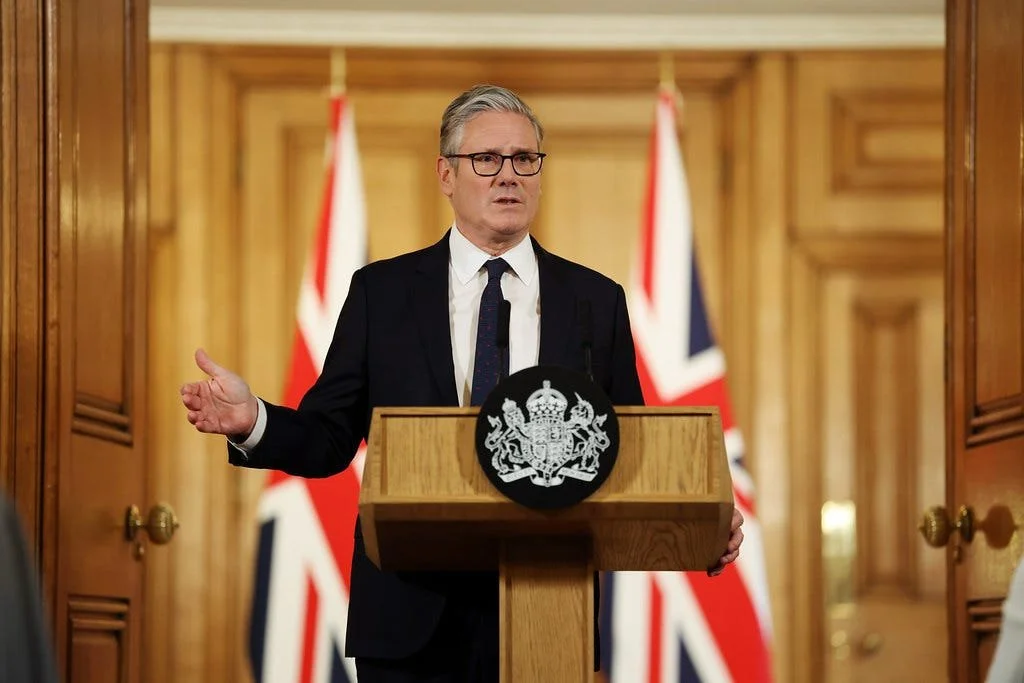
Keir Starmer announcing the ban at Number 10. Photo credit: Lauren Hurley
Yesterday, the UK Government announced plans to ban under-16s from accessing social media platforms as part of a wider package of online safety measures. Predictably, most of the discussion has focused on children, parents, schools and the social media companies themselves. Whether you support the proposal or oppose it, there has been remarkably little discussion about what it could mean for businesses.
At the time of writing, many of the practical details remain unclear. Exactly how age verification will work, how platforms will enforce restrictions and what exemptions may exist are all still being worked through. However, if the proposals move forward as expected, the impact could extend far beyond social media companies.
Here are six ways the proposed changes could affect businesses of all sizes.
1. Your Video Content Could Become Harder to Access
Many businesses rely on YouTube as their primary video hosting platform.
Case studies, product demonstrations, training materials, event recordings, webinars and promotional videos are often embedded directly into company websites using YouTube. In many cases, organisations use the platform simply because it is free, reliable and familiar to users.
If age verification requirements introduce additional barriers to accessing content, businesses may find that videos become less accessible to some users. Questions also remain around whether viewers will need to be signed in to access content and how embedded videos will function in practice.
For organisations that depend heavily on video content, this is something worth monitoring closely.
2. Your Marketing Data Could Change Overnight
Businesses make decisions every day based on audience data from social media platforms.
Marketing teams use engagement figures, audience demographics, viewing habits and reach statistics to evaluate campaigns and plan future activity. If millions of under-16 users are removed from these platforms, those datasets will inevitably change.
Historic benchmarks may become less meaningful. Engagement rates may shift. Audience profiles could look very different. For businesses targeting families, education, leisure or youth audiences, the effect could be particularly significant.
3. Youth-Focused Organisations May Need to Rethink Communications
Many organisations communicate with young people through social media as a matter of routine.
Youth theatres, sports clubs, charities, colleges, training providers and community organisations often rely on platforms such as Instagram, TikTok and YouTube to share information, promote opportunities and maintain engagement. If under-16s can no longer access those platforms, organisations will need to place greater emphasis on alternative channels, including:
Email marketing
SMS messaging
Parent and guardian communications
Website content
School partnerships
Community outreach
For some organisations, this could require a complete rethink of how they communicate with their audiences.
4. Website Traffic Patterns Could Shift
Social media platforms are a major source of website traffic. Every day, users discover businesses, services and content through social media before clicking through to websites to learn more, make purchases or complete enquiries.
If younger users are no longer active on those platforms, businesses that serve families, young people or education markets could see noticeable changes in website visitor behaviour. Customer journeys that have worked for years may begin to look very different. This does not necessarily mean less traffic, but it may mean traffic arriving through different channels.
5. Age Verification Could Become Everybody's Problem
One of the less obvious consequences of the proposals is the wider adoption of age verification technology.
As consumers become more accustomed to proving their age online, expectations around digital identity and age assurance are likely to increase. While today's proposals are aimed at social media platforms, it is not difficult to imagine a future where additional digital services, websites and online platforms face pressure to implement similar measures.
Businesses operating websites, membership platforms, digital communities or online services should be paying attention to how these technologies develop.
6. The Importance of Owned Media Just Increased
Perhaps the biggest lesson for businesses is one that marketers have been discussing for years: You do not own your social media audience.
Whether the change comes through government policy, platform algorithms, commercial decisions or emerging technologies, businesses have limited control over the platforms they use to reach customers.
The organisations best placed to adapt are those that have invested in assets they own and control, including:
CRM systems
Email databases
Website content
Search visibility
Customer communities
First-party data
The proposed social media ban serves as another reminder that building an audience entirely on third-party platforms carries risk. A strong social media presence remains valuable, but it should never be the only route between your organisation and the people you serve.
Final Thoughts
The debate around the proposed social media ban will undoubtedly continue over the coming months.
There are legitimate arguments both for and against the policy, and many questions remain unanswered. However, regardless of where the discussion ultimately lands, businesses would be wise to consider the wider implications now. The organisations that adapt most successfully are rarely those that react after change has happened. They are the ones that recognise potential disruption early and take practical steps to strengthen their communications, customer relationships and digital resilience.
As marketers, business leaders and communications professionals, that is the conversation we should already be having.